
A survey of over 3,000 professionals by CEO Lou Adler found that networking was the number one way people found their most recent job—yet most professionals waste business networking events by showing up unprepared, spending the evening with people they already know, and never following up.
And then, they question the impact of networking. Yet most people repeat the same ineffective patterns.
The difference between successful business networking events, where actual opportunities are created, and the rest has to do with your preparation for the event, what you do while there, and what you do after.
This guide discusses the three-phase approach that allows you to turn your time spent attending an event into something tangible.
Before Business Networking Events: Strategic Preparation
Research the Event and Attendees
Going into an event without knowing who else is there is a waste of opportunity. If the event has a list of possible attendees, find at least three or four individuals that you would like to connect with. Use LinkedIn, and check their companies’ recent news releases and any content they may have published.
For example, instead of starting out with generic small talk, you might say, “I saw your recent LinkedIn post about expanding your company into Europe. How has that been going?”
Set Specific and Measurable Goals
Saying you want to “network with people” is not a goal. Instead, try “Meet 3 marketing directors from SaaS companies.” Be specific about what success looks like for you at this one event. Do you want to meet clients, potential partners, mentors, or peers?
Prepare Your Introduction
Generic introductions are easily forgotten. “I am a Marketing Consultant” is not very informative. Instead, make the statement speak directly to a pain your targets have that you can solve. For example, “I help small businesses get more customers without wasting money on ads that don’t work”.
Practice until it feels natural, not rehearsed. Because preparation separates successful business networking events from wasted evenings.
Optimize Your Digital Presence
Before the event, update your LinkedIn profile and smart business card, along with your portfolio, website and other relevant links. There are platforms like BizCatchup that allow you to do this all at once without needing to reprint anything.
Get Your Logistics Organized
Make sure your phone is fully charged to be able to use ebusiness cards, take notes and do quick research. Bring your portable charger, and wear professional clothes and shoes that you can wear for hours while standing. Know the layout of the venue and the schedule to help you identify good positioning for yourself.
During the Event: Maximizing Engagement
The First 30 Minutes Matter Most
Arriving early at business networking events when people are settling in can be an opportunity. It’s easier to have conversations when crowds are small, and you haven’t disrupted your connection with an already established group. Make sure you take advantage of good locations (entrances, registration and refreshment stations as locals will naturally go to these places).
Work the Room Strategically
Work in smaller groups of 2-3 people, not larger circles, and spend time looking for people who are standing by themselves; they will be looking to talk to. You can do this using the 3-Foot Rule: If someone is within three feet of you and you have made eye contact with them, that tells you that it is time to start a conversation.
Have Meaningful Conversations
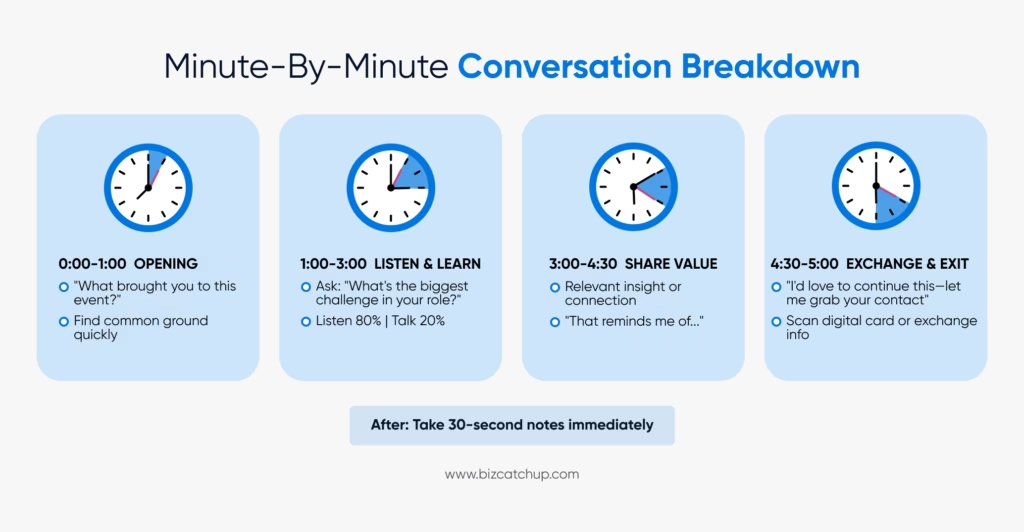
Ask questions that create a story; for example, “How did you get to the event?” or “How does whatever you do present you with challenges?” Remember that you should be listening 80% of the time and speaking only 20% of the time. At business networking events, it will be how you made them feel in the end that they will remember about you, not how you wowed them.
Exchange Contact Information Effectively
Digital business cards eliminate the awkward pocket fumbling. One scan captures everything—contact details, portfolio, socials. Take quick notes immediately after each conversation: what you discussed, potential collaboration, and follow-up action. Tools and digital business card apps like BizCatchUp let you add context directly to each contact.
Do Not Overstay The Conversation
5-7 minutes per person is sufficient for initial contact. An exit should be something like “I’d love to talk more about this with you; let me get your contact info, and I’ll follow up next week.”
Take Planned Breaks
Be sure to step away periodically from conversations to look over your notes, recharge, and think about your next move. Networking is a long-distance run, not a dash.
After Business Networking Events: Converting Connections
The 24-Hour Follow-Up Window
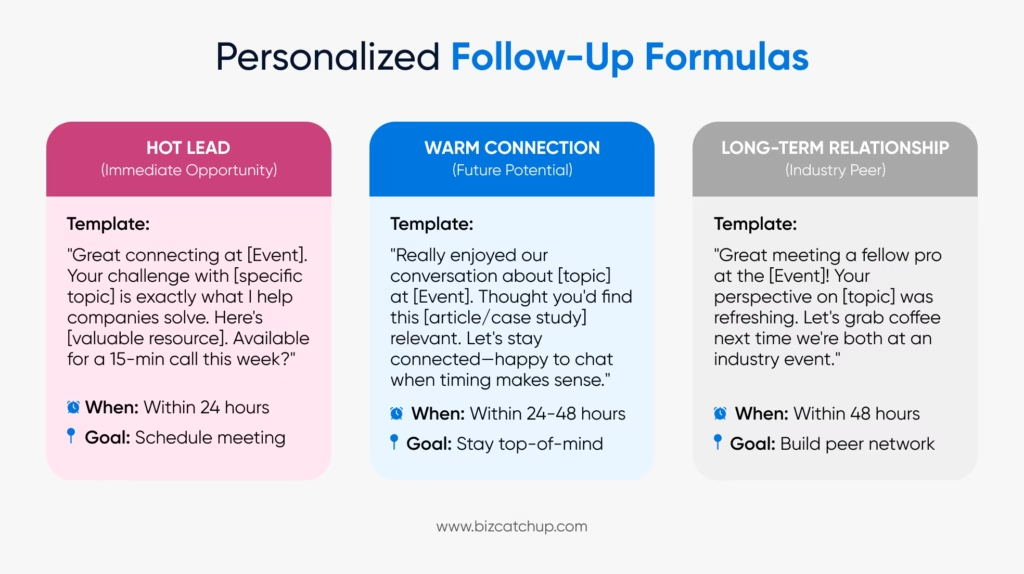
Networking can fall apart at this stage. Utilize personalized messages using the conversation you’ve just had as a starting point. Reference specific things from your discussion—it shows that the person was heard. Provide something of value to them before suggesting your next concrete plan of action like sending them a relevant article or making an introduction.
Example: “Great connecting at [event]. Your challenge with customer retention reminded me of this case study—thought you’d find it useful. Would love to chat more about your Q2 goals over coffee.”
Organize and Categorize Contacts
Not all of your connections will have equal value to you. Determine how to categorize your connections:
- Hot leads—immediate opportunities to work together, follow up with them this week
- Warm connections—potential for the future, nurture monthly
- Long-term connections—industry colleague, check in quarterly
Digital platforms like BizCatchup make this easy—tag contacts, add context notes, set follow-up reminders automatically.
Track and Nurture Over Time
After business networking events, do not expect quick success. Provide valuable content at the right time, celebrate important job anniversaries, and assist with referrals. Strong relationships develop over time; thus, they will take several months to build.
Measure Event ROI
How many meaningful connections? How many follow-ups are scheduled? How many turned into opportunities? Use these insights to improve your approach for the next event.
Common Mistakes That Waste Networking Event Opportunities
The most common mistake people make when building networks is sabotaging their success with errors that can be avoided.
- Not researching or setting goals before you arrive at the event
- Spending your entire time talking to people you know instead of making new contacts
- Staying glued to your phone while you’re talking to someone
- Not following up within 48 hours when the connection is still warm
- Sending out generic, copy-and-paste follow-up messages which sound like they’re automated
- Failing to keep track of the people you meet and why they will be important for your future endeavours
Each mistake costs you real opportunities. Avoid them, and you’re already ahead of most attendees.
Final Thoughts
Attending business networking events is not an obligation but rather an investment. In order for the event to be successful and productive, it’s essential to prepare ahead of time and follow up after you have attended the event, as this leads towards future success.
Use tools that eliminate friction (digital business cards, contact management software, scheduling programs, etc.) during each event to build upon your relationship-building skills and grow stronger over time.
Quick Catch
How early should I arrive at business networking events?
Arrive 15-30 minutes early when crowds are thin and conversations flow naturally. Early arrival lets you position yourself strategically, meet hosts, and connect with attendees before they form established groups. You’ll feel less rushed and more confident starting conversations.
What’s the best way to break into conversations at networking events?
Use the 3-foot rule: approach anyone within 3 feet who makes eye contact. Join small groups of 2-3 people rather than large circles. Look for people standing alone—they want conversation too. Ask open-ended questions like “What brought you to this event?”
How many people should I aim to meet at a networking event?
Quality beats quantity at business networking events. Aim for 5-7 meaningful conversations rather than collecting 50 business cards. Spend 5-7 minutes per person, exchange contact information thoughtfully, and take notes immediately after each conversation for effective follow-up later.
What should I say in follow-up messages after networking events?
Send personalized messages within 24 hours. Reference something specific from your conversation, offer value first (article, introduction, or resource), then suggest a concrete next step. Example: “Your point about customer retention resonated—here’s that case study I mentioned. Coffee next week?”
How do I track contacts from business networking events effectively?
Categorize contacts immediately: hot leads (follow up this week), warm connections (nurture monthly), and long-term relationships (check in quarterly). Use digital business card platforms or CRM tools to add context notes, set reminders, and track engagement automatically.
