
With over 1 billion professionals on LinkedIn, the platform has become one of the most powerful places to build real business connections. Despite this fact, the majority of users use LinkedIn like an online resume—logging in occasionally, posting infrequently, and missing valuable opportunities.
The reality? A consistent and strategic approach implemented through LinkedIn can result in high-value relationships, collaborations, and clients. This guide will help show you how to build meaningful business relationships and develop a scalable strategy for small businesses that actually works.
Why LinkedIn is Essential for Building Connections for Business
Currently, more than a billion individuals use LinkedIn to establish constructive and beneficial business relationships globally. As a result, this site represents the largest source of B2B connections for small-business owners, founders, senior executives, and individuals who need to make connections with their ideal clients or partners.
Unlike Facebook and Instagram, LinkedIn is set up to facilitate professional interactions. People are using LinkedIn with a business mindset, looking to make connections, collaborate, and grow. The presence of job titles, recommendations, and endorsements all provides the user with credibility instantly.
For small businesses, this creates a powerful advantage. You can directly reach decision-makers, build relationships at scale, and create a strong business connection strategy—without the high costs of traditional networking.
Optimize Your Profile Before Connecting
When networking through LinkedIn, it’s important that you present a strong first impression to create strong connections for business. Think of it as your digital storefront—people will check it before accepting your request.
You should have a professional picture (no logos for personal profiles), a strong value-driven headline (i.e. “I assist small businesses with lead generation”) and an about section that clearly states what you do, who you help, and the benefits of working with you.
Then, for your experience section, be certain to show results and accomplishments, not just listing your job duties. Finally, consider personalizing your LinkedIn URL to improve the look of your profile.
Why it Matters – A complete or precise profile will enhance trust in you as an individual. A well-optimized profile will enhance your acceptance ratios and convert basic business connections into productive exchanges.
Quick win: Add “Open to connecting with [your target audience]” in your headline to attract the right people.
Strategic Connection Building: Who to Connect With
Creating connections for business on LinkedIn is not about sending hundreds of invites to random people, but rather, making sure you are connecting with the proper individuals. When utilizing business networking strategy, quality is always better than quantity.
Focus on Quality, Not Volume
- 500 targeted connections are far more valuable than 5,000 irrelevant ones
- Prioritize relevance: industry, role, and potential value exchange
- Think long-term relationships, not short-term numbers
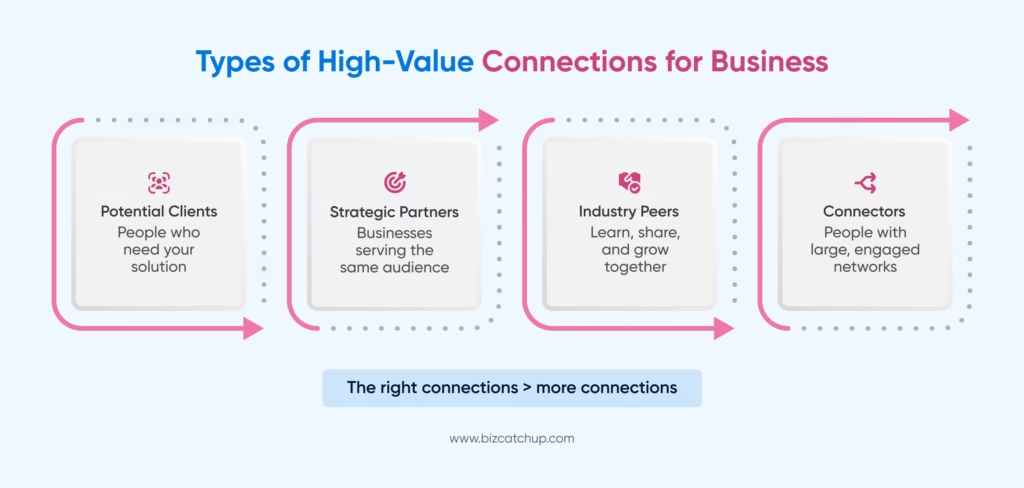
Four Types of High-Value Connections
- Potential Clients or Customers
- People who match your ideal customer profile
- Decision-makers in your target industry
- Individuals actively discussing problems you solve
- Strategic Partners
- Businesses that complement—not compete with—you
- Serve the same audience with different services
- Great for collaborations, referrals, and bundled offerings
- Industry Peers
- Professionals in your field
- Share insights, trends, and opportunities
- Help you build credibility within your niche
- Connectors
- People with large, engaged networks
- Community builders, event hosts, or content creators
- One strong connection can open doors to many others
Small Business Tip
- Focus on building local relationships to facilitate collaboration
- Connect and engage in groups that focus on your specific industry
- Find others who are currently active in your niche
When you are purposeful about the connections you make on LinkedIn, you create strong connections for business, instead of merely having a large number of contacts.
How to Send Connection Requests That Get Accepted
A lot of connection requests sent through LinkedIn are often overlooked, generally because they come off as very generic or “salesy.” In order to successfully build meaningful business relationships and a network, your approach needs to be intentional and personal.
The Wrong Way (Gets Ignored)
- “I’d like to add you to my professional network”
- Sending a sales pitch in the first message
- No context is provided; no personalization at all
The Right Way (Gets Accepted)
- Look for Common Interests
- Use past experiences, relationships, and locations as an introduction
- Use a recent article, comment, or post as a starting point
- Highlight shared industry or interests
- Be Specific and Short
- Explain why you are contacting them
- Don’t send a long paragraph
- Make it easy for them to read and reply
- Start With Value, Not A Sales Pitch
- Be sincerely interested in their work
- Focus on growing a relationship and not try to sell
- Earn their trust before trying to make a request
Simple Template You Can Use
“Hi [Name], I noticed we’re both in [industry or location]. I came across your thoughts on [topic] and found them insightful—would love to connect and stay in touch.”
A well-written personalized message greatly increases the chance of being accepted to connect and creates a great opportunity for meaningful small businesses to connect with each other.
Turn Connections into Business Relationships
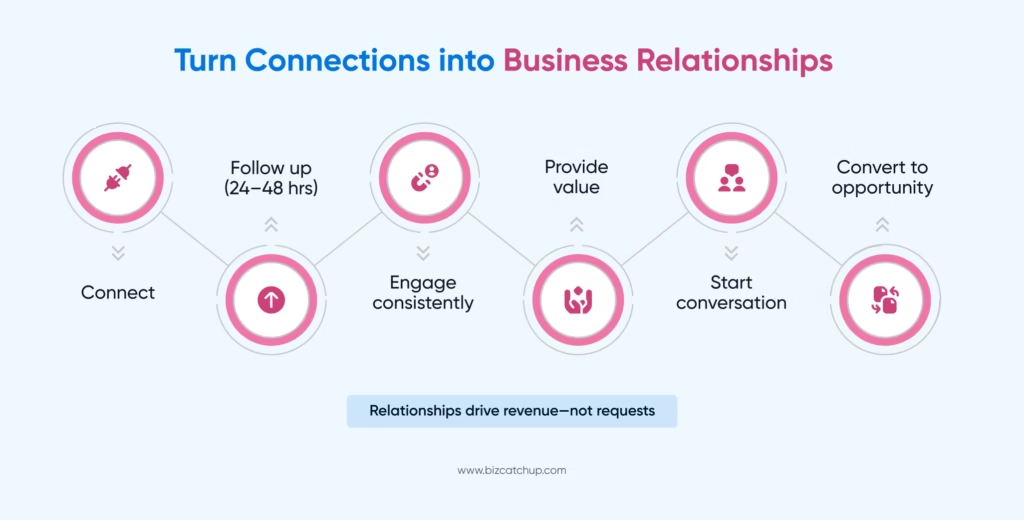
Making connections for business through LinkedIn is only the beginning. The value comes from what you do with that connection after they’ve accepted. A lot of people connect, and then don’t follow up, so this is a huge missed opportunity.
Don’t Just Connect and Forget
Follow Up Quickly (24-48 Hours)
- Say thank you for the connection
- Start a sincere chat
- Ask a thoughtful question about their work
- Avoid pitching at this stage
Engage Consistently
- When they post something, comment on it by offering a meaningful insight
- When they post something helpful, share that content with your audience when appropriate
- Congratulate them on their successes
- Respond when they engage with your content
Visibility builds familiarity, and familiarity builds trust
The DM Strategy for Small Business Connections
- Wait 2–3 weeks before reaching out again
- Reference previous interactions or content
- Offer value first, then suggest a conversation
Example:
“Hey [Name], I saw you’re working on [topic]. Thought this resource might help—happy to share more if useful. Would love to hear your approach as well.”
Value-First Ways to Build Connections for Business
- Provide them with a helpful resource
- Introduce them to a contact in your network
- Suggest a short, practical solution to their issue
Track Your Connections
- Make a note of where you connected and other relevant details
- Schedule follow-up reminders
- Use a basic CRM or tracking system
Consider using digital business card apps such as BizCatchup for efficient tracking of your LinkedIn connections. When you consistently engage and provide value, your network turns into real opportunities—not just a list of contacts.
LinkedIn Features That Accelerate Business Connections
To improve business connections, you have to do more than just send requests. If used properly, there are built-in features on LinkedIn that will help you establish connections for your small business faster than conventional methods.
Content Strategy
- Post 2 to 3 times a week, sharing your expertise with others
- Share advice, lessons learned, experiences, etc. Do not just promote your business
- Ask questions and create interactions
- Spend as much time commenting as you do posting
Benefits: Consistent visibility creates trust and generates inbound connections for business.
LinkedIn Groups
- Join appropriate industry-related groups (5-10)
- Participate in group discussions, don’t just watch
- Answer questions and provide valuable information to other members of the group
- Connect with members who actively interact with the group
LinkedIn Events
- Attend virtual networking events in your area of expertise
- Be proactive about engaging during events (via chat or Q&A)
- Connect with attendees you’ve interacted with at the event afterwards
- You may host an event of your own to establish authority
If you leverage these features, you will transition from being a passive participant to actively networking and using LinkedIn as a source to generate meaningful relationships that will develop into business partnerships.
Common Mistakes That Kill Business Connections on LinkedIn
Your business relationships on LinkedIn can be substantially diminished through incorrect use of strategy as well as poor execution.
Some examples of poor use of strategy are:
- Sending offers immediately after accepting connections for business in order to turn them into clients
- Failing to engage once someone has accepted your request
- Posting only promotional content regarding your business
- Requesting connections from anyone and everyone, indiscriminately
- Not personalizing messages
- Not responding to comments or messages from others
- Viewing LinkedIn as a transactional process rather than an opportunity to create lasting relationships
Avoiding these mistakes is critical to developing a successful small business connect strategy and will help create lasting business opportunities.
Final Thoughts
LinkedIn is a place to connect and create relationships, not simply generate leads for your business. In terms of connecting and engaging with others, small businesses can do very well on the platform through consistent, genuine engagement without having large budgets.
As you build relationships on LinkedIn, focus on helping others, engaging with them, and providing value. Even 15 minutes of intentional networking every day can lead to multiple valuable connections for business over time.
Quick Catch
How can I use LinkedIn effectively to build business connections?
Creating connections through LinkedIn to generate leads will require optimizing your profile, sending personalized connection requests, and consistently engaging with your network. As best practice, add value to your connections through comments, content, and conversations before pitching to them.
What is the best way to grow business connections on LinkedIn organically?
Target industry-relevant professionals, provide them with ongoing support through engagement, and post high-quality content consistently to connect with professionals organically. The more consistent and personal connections will be, the more value they can provide, resulting in stronger relationships than simply adding large numbers of irrelevant followers.
How many connections for business should I aim for on LinkedIn?
There really isn’t a specific number, only that the quality of the connections is much more important than their quantity. Around 500–1,000 targeted business connections in your niche can generate better opportunities than thousands of irrelevant contacts with no engagement or alignment.
How do I turn LinkedIn business connections into real clients or partnerships?
To convert connections into opportunities, follow up after connecting, engage with their content, and offer value first. Build trust through consistent interaction before suggesting calls, collaborations, or business discussions.
Is LinkedIn better than other platforms for building connections for business?
Yes, LinkedIn is more effective for business connections because users are in a professional mindset. Unlike casual platforms, it offers access to decision-makers, industry peers, and tools specifically designed for networking and relationship-building.
